


Sanaa Roast
Outcome
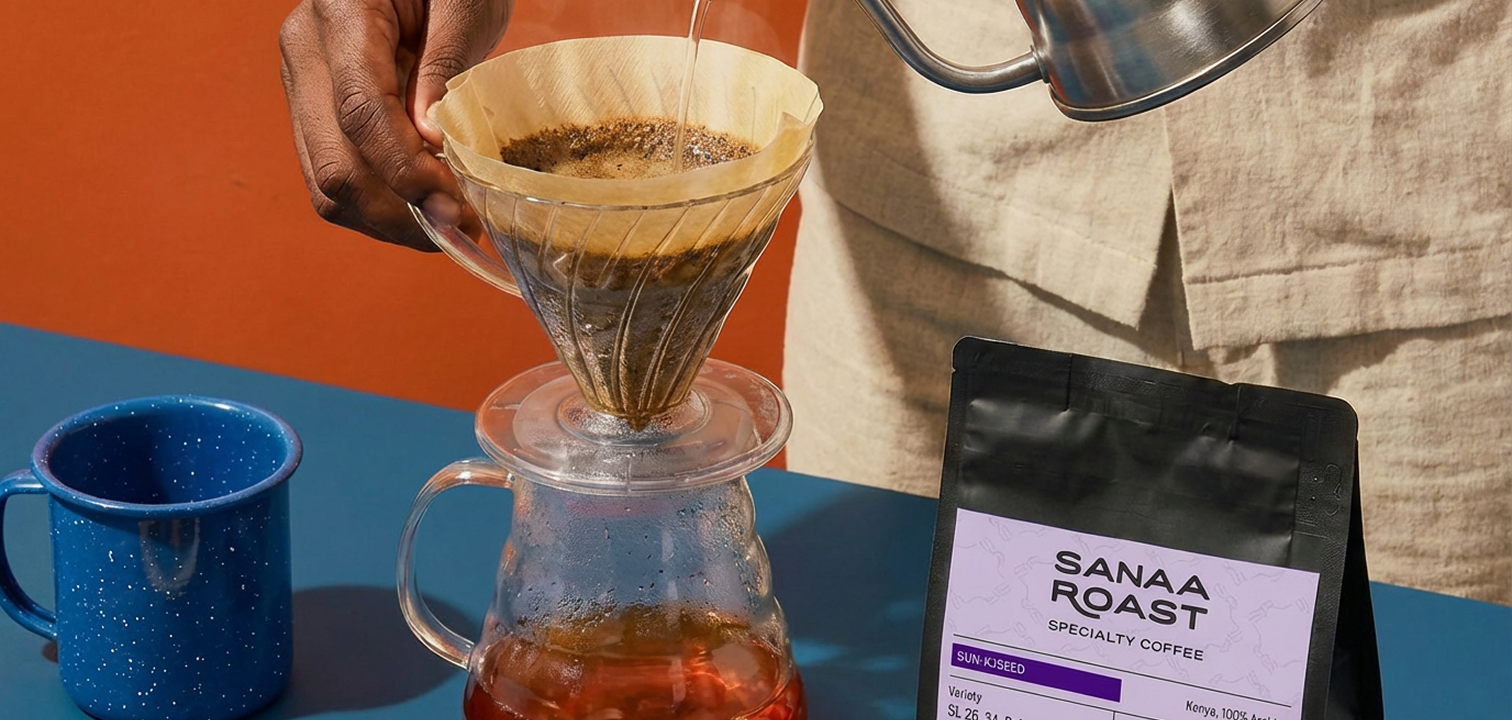
A specialty coffee brand taken from nothing to a live, selling e-commerce site by one person: brand identity, illustration, motion system, payments, order pipeline and conversion tracking, with the entire build AI-directed.
Context
Sanaa Roast is my specialty coffee brand in Nairobi. Which makes this the one project where nothing is hidden behind an NDA: every design decision, every line of code and every trade-off is mine to show.
The problem
- A premium coffee brand has to look premium before anyone tastes the coffee. Template storefronts read as commodity.
- One person, no team, no budget for an agency or a developer. The method had to carry the whole build.
- Kenyan customers had to be able to pay in ways they actually use.
The goal
Launch a site that establishes a premium brand and takes real orders, built solo, fast enough that the brand launch did not wait on the build.
What I did
Brand & Design
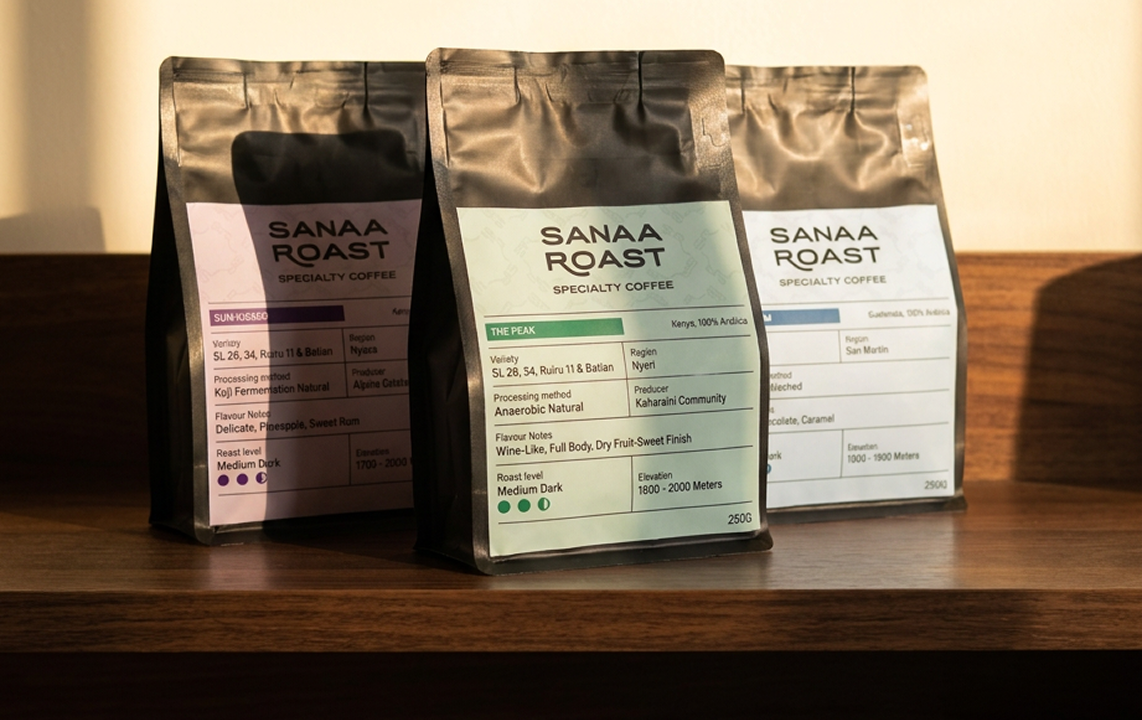
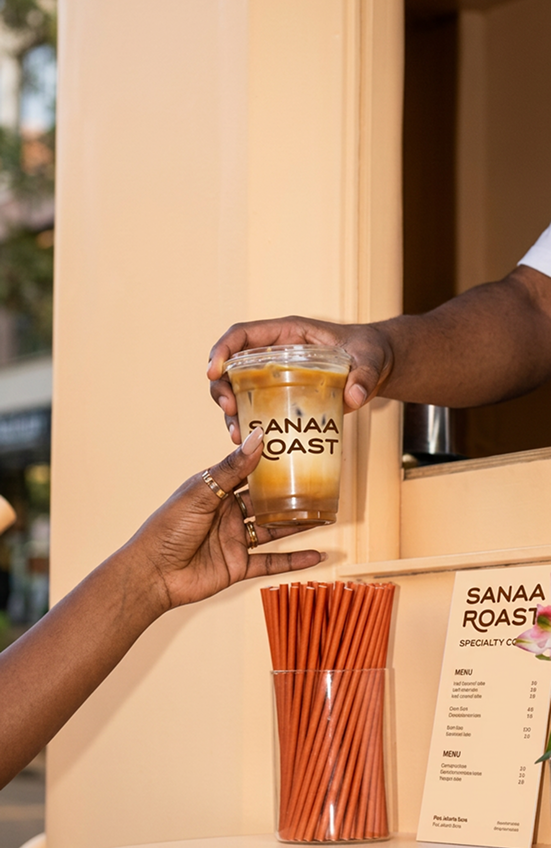
- Designed the brand's web presence in Figma, including a set of custom coffee-themed illustrations.
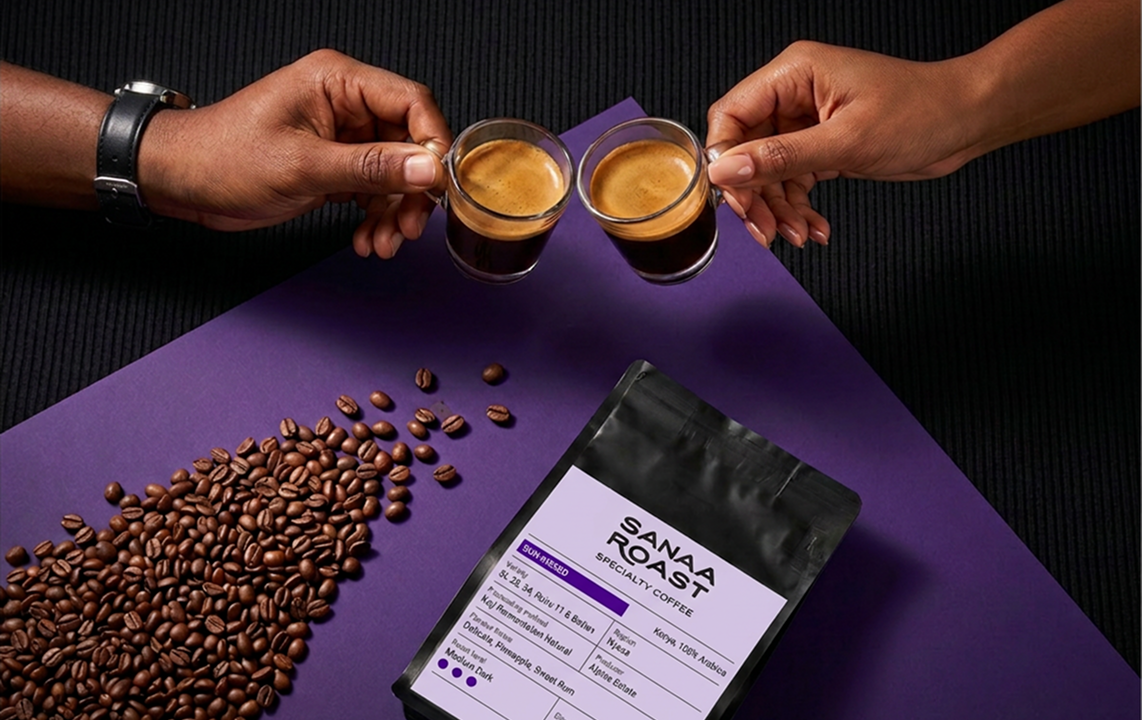
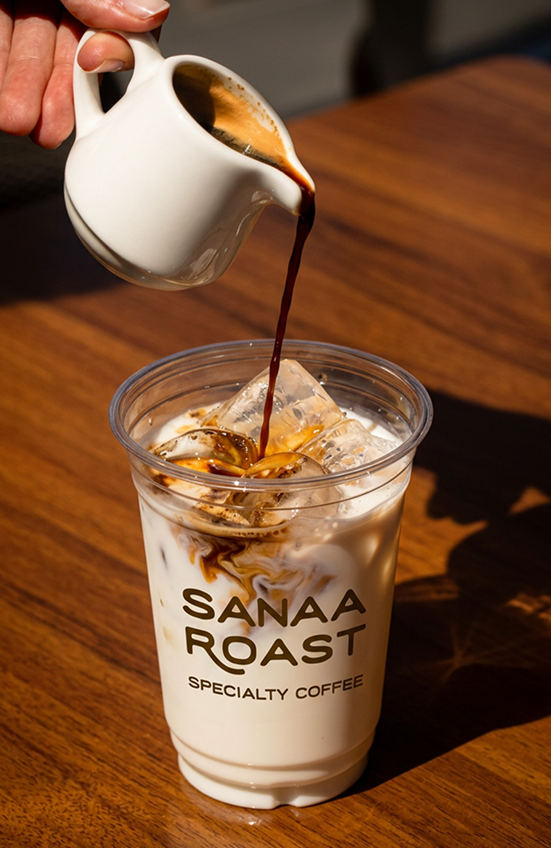
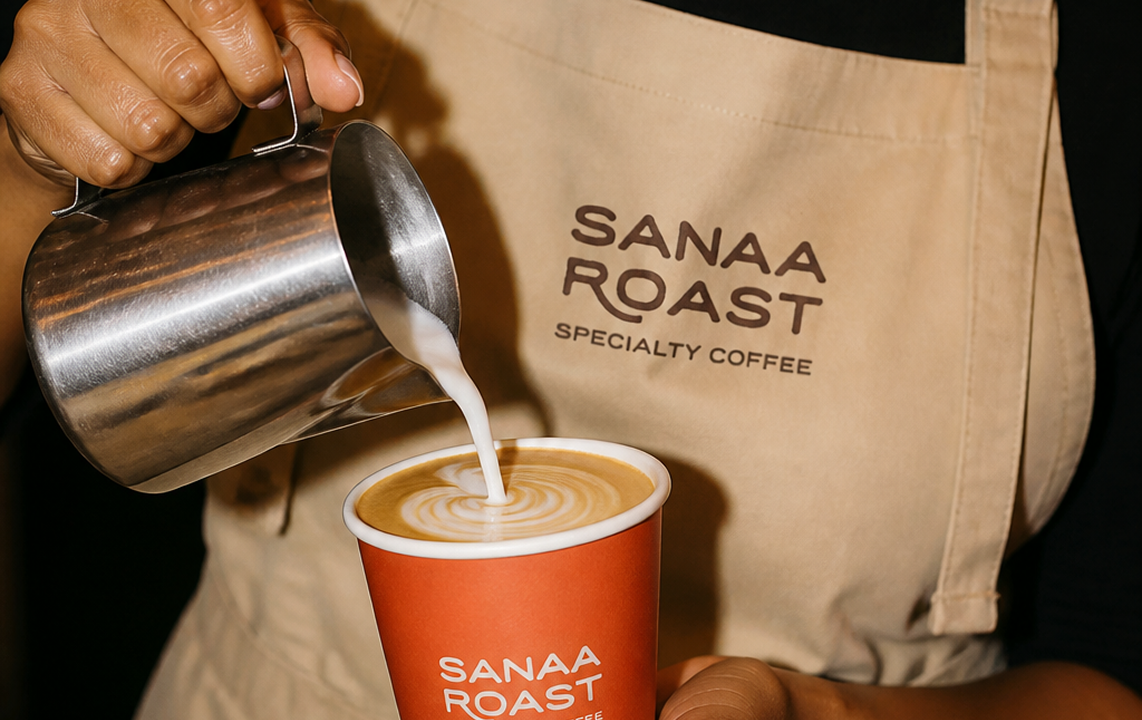
- Produced product imagery with AI generation under a defined brand palette and art direction.
Build
- Built the site with an AI-directed workflow (Claude Code, Cursor): CMS-driven pages, and a Paystack checkout.
- Wired the order pipeline: Paystack webhooks recording orders into Notion, so fulfillment runs from the same workspace as the rest of the business.
- Set up Meta Pixel conversion tracking as the base of a three-stage paid funnel.
- Caught a payment-blocking bug in staging: test orders were not completing. I split the diagnosis, putting Claude Code on the codebase while I verified the Paystack configuration myself, and shipped the fix.
Key decisions
- Paystack over Stripe or PayPal. Stripe does not serve Kenyan businesses without a registered US entity, and PayPal is a poor fit for how Kenyan customers pay. Paystack is a trusted, widely used rail in African markets, took a couple of days to set up, and its hosted Storefront meant checkout was live without building or securing a custom payment UI. The trade-off is less control over the checkout experience; for a brand whose bottleneck was launching, that was the right side of the trade.
- Notion as the order back office instead of a commerce backend. The brand is new and order volume is early-stage; a commerce backend now would be infrastructure for a business that does not exist yet. Orders land in three places without extra build: the Paystack dashboard (the payment source of truth), email notifications, and the Notion workspace via webhook, where fulfilment runs next to everything else in the business. When volume outgrows this, the webhook already exists and points wherever the replacement lives.
Result
- Live and selling at sanaaroast.com.
- The site is the sales channel for a real business I run, which is a different kind of accountability than a client deliverable.